Posted on : 13-03-2025
Printing rollers are vital components in modern printing technology, serving as the backbone of processes like offset, digital, and flexographic printing. These rollers ensure precise ink transfer, maintain consistent print quality, and adapt to advancements in the printing industry. This article explores how rollers support each of these printing methods, highlighting their specific functions, impact on quality, and role in meeting evolving technological demands.
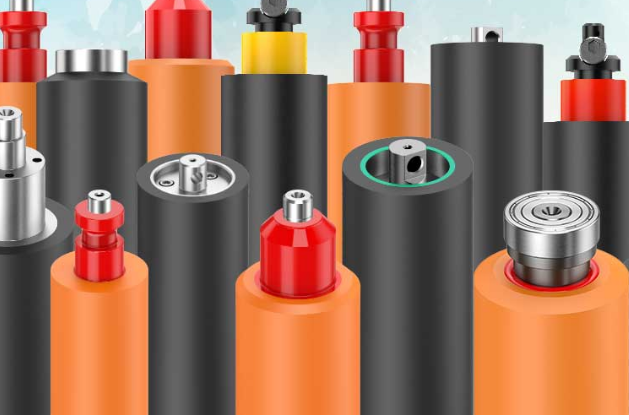
In the world of printing, rollers are unsung heroes that facilitate the seamless transfer of ink onto various substrates, from paper to packaging materials. Whether it’s the high-speed precision of offset printing, the variable data capabilities of digital printing, or the versatility of flexographic printing, rollers are indispensable. Their design, material, and maintenance directly influence print consistency, durability, and the ability to keep pace with trends like automation and sustainability. Let’s dive into how rollers contribute to each printing technology.
Offset printing relies on a multi-step process where ink is transferred from a plate to a rubber blanket and then to the substrate. Printing rollers are at the heart of this process:
Offset printing demands rollers that can endure high-speed operations and prolonged use:
Digital printing, encompassing inkjet and laser technologies, requires rollers that cater to its unique demands:
Precision is paramount in digital printing, and rollers play a key role:
Flexographic printing, widely used for packaging, depends on rollers for effective ink management:
Flexography’s versatility shines in its ability to print on varied materials:
Across all three printing technologies, rollers are critical for:
Print Quality: Precise ink transfer and consistent pressure ensure professional-grade outputs.
Efficiency: Durable, well-maintained rollers minimize downtime and support high-speed production.
Innovation: Rollers evolve with industry trends, from automation in digital printing to sustainable practices in flexography, keeping printing technology competitive.
As the printing industry progresses, rollers will continue to adapt. Advances in materials, such as wear-resistant coatings, and designs that support automation will enhance their role. The push for sustainability, including biodegradable substrates and eco-friendly inks, will further shape roller development, ensuring they remain integral to modern printing.
Printing rollers are more than just mechanical components—they are essential to the success of offset, digital, and flexographic printing. By enabling precise ink transfer, ensuring durability, and adapting to technological and environmental demands, rollers uphold the quality and efficiency of modern printing. As the industry evolves, their role will only grow, solidifying their status as a cornerstone of printing technology.
« Previous Post Common Problems with Inking Rollers and ...
Next Post » Benefits of re-Rubberizing rubber roller...

Common Problems with Inking Rollers and How to Fix Them...

UV vs. Conventional Inking Rollers: Key Differences and When to Choose Each...
The Future of Printing: How Rollers Are Evolving...
Market Growth and Industry Demand in Rubber Rollers: A Comprehensive Analysis...

Understanding Flexo and Rotogravure Printing Rollers...
Troubleshooting Guide For Printing Rollers...
Benefits of re-Rubberizing rubber rollers...
Industrial Applications of Conveyor Rollers...

Choosing the Right Rubber Roller for Your Printing Needs...

Maintenance Tips for Long-Lasting Rubber Rollers...